

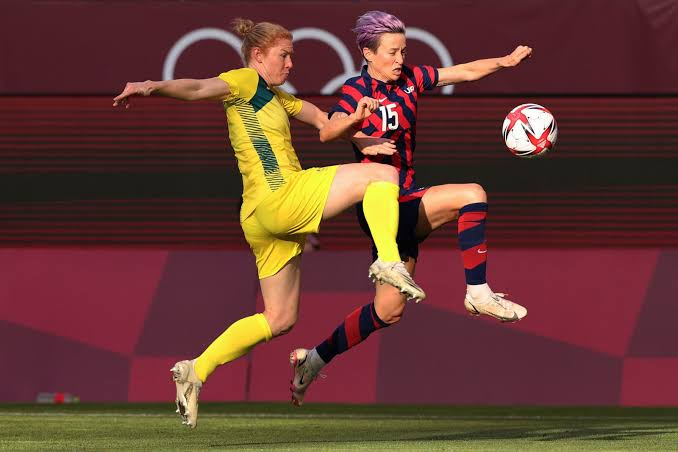
Highlights bring memorable goals and important saves into a short viewing window. They are excellent for catching up, yet can create a misleading picture when the underlying match contained long tactical battles or missed chances. Some supporters explore platforms including vaoroitv while organizing fixtures, scores, and articles that help them follow the sport. A few well-chosen information habits can make following football both more enjoyable and less time-consuming.
Appreciate the decisive moments
Using highlights to learn from matches
A short highlight package captures decisive moments but cannot always show how those moments developed. One goal may follow a long period of territorial pressure, while another arises from an isolated mistake. To understand the broader contest, compare highlights with a match timeline or written report. Check whether the clip is complete and comes from a permitted publisher before sharing it. High-quality summaries are particularly helpful on crowded matchdays, when watching every fixture in full is unrealistic for even enthusiastic followers.
Knowing what replays can clarify
A replay can help explain the mechanics of a goal, a defensive error, or an offside call, but the chosen camera angle influences perception. Slow motion is useful for identifying contact yet can make an incident appear more deliberate than it looked in real time. When a controversial moment circulates online, seek the complete sequence and credible discussion of the applicable law. Replays are most useful as evidence within context, not as isolated clips designed to provoke an immediate reaction.
Quick practical checks
- Check who published the clip.
- Read a minute-by-minute timeline.
- Compare chance quality.
- Avoid judging players from one scene.
Rebuild the missing context

Reading a balanced match report
An informative match report explains the result through key phases rather than listing goals alone. Identify the opening tactical approach, essential momentum changes, major substitutions, and decisions that shaped the closing minutes. Strong reporting distinguishes observation from interpretation and makes room for evidence that complicates a simple winner-versus-loser story. A good article may acknowledge that the losing side created promising chances or that the winner struggled early. This richer account is especially valuable when you only saw the score and a short clip.
Highlights select dramatic incidents, which means the build-up, long spells without chances and the tactical pattern can disappear from the story.
Reading statistics without overreacting
Possession percentage and shot totals are useful entry points, not complete explanations of performance. A team may keep the ball in harmless areas while its opponent creates the clearest chances through quick transitions. Check for shots on target, shot locations, passing progressions, and the context of red cards or substitutions. Statistics from different providers may use slightly different definitions. The best interpretation combines numerical evidence with observations about the actual match instead of turning one impressive figure into a sweeping conclusion.
What expected goals can and cannot show
Expected goals, generally abbreviated as xG, estimates the probability that a shot will become a goal using characteristics of the chance. It can reveal whether a team created meaningful opportunities despite an unlucky final score. It does not, however, guarantee what need to have happened, and different models can produce different values. One high-quality chance may contribute more xG than several speculative attempts. Supporters can use this metric as a conversation starter while remembering that defensive pressure, finishing technique, and tactical choices need separate consideration.
Spotting tactical changes during a game
Watching the shape of a team without the ball often reveals as much as following the player in possession. Notice whether the press begins near the opposition penalty area or closer to midfield, and whether fullbacks step inward to support buildup. A change after halftime may be a response to the score rather than evidence that the starting plan failed. Supporters who track two or three patterns throughout a game can better explain momentum shifts without needing specialist software or advanced coaching terminology.
Examine controversial incidents

The hidden importance of substitutions
Changes from the bench may want to be assessed by timing and purpose, not simply by the reputation of the incoming player. A fresh winger can stretch a tiring defense, while an additional midfielder may help a team control the closing stages. Sometimes a substitution responds to an injury or booking rather than a new attacking idea. Watching the team’s shape immediately afterward reveals the manager’s intention. The most revealing analysis compares the game before and after the adjustment, while allowing for other factors such as fatigue and scoreline.
Following refereeing decisions carefully
Offside, handball, advantage, and disciplinary decisions are common sources of debate. The Laws of the Game provide the framework, but some incidents still involve judgment about intent, impact, or intensity. Broadcast graphics and commentary can simplify complicated decisions too aggressively. Before reaching a conclusion, consider the referee’s view, the sequence of play, and any available official explanation. This habit does not end disagreements; it turns them into more useful conversations about decisions rather than accusations based on one frozen image.
Prepare to watch more thoughtfully
Separating confirmed news from speculation
Football generates an enormous volume of transfer rumors, injury claims, and supposed dressing-room stories. A practical news habit is to distinguish official club announcements from attributed reporting, anonymous claims, and reposted screenshots. Publication dates matter: an old article may resurface when a player returns to the headlines. Check whether a story includes verifiable quotations and whether a reputable outlet has confirmed the development independently. Resisting the urge to share every exciting rumor helps supporters stay informed without amplifying details that later proves inaccurate.
Reading fixture lists across competitions
A list of fixtures is more revealing when it is read as a calendar rather than a string of kickoff times. Check the competition name, home and away designations, and whether a match belongs to a league, cup, or international tournament. Cup dates sometimes depend on earlier results, while television scheduling can move a league match after the initial announcement. People following several teams need to record the date in their own time zone and verify it shortly before kickoff. That modest habit prevents missed games and makes matchday planning far less stressful.
Conclusion
Readers planning their next matches can use the supplied schedules link as a reminder to check complete fixtures before the weekend. Combining match timelines, context, and careful reading is more valuable than reacting to an isolated headline. Those researching football schedules may choose to open vaoroitv highlight and cross-check any changing details independently. The value lies in understanding what the information means for the next game, not simply collecting more updates.
