

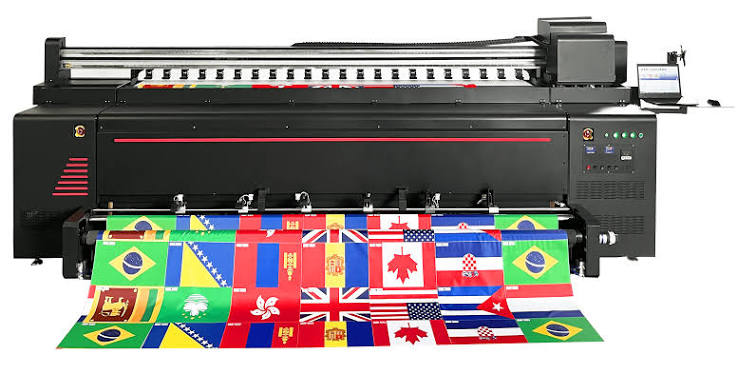
A finished flag often looks deceptively simple. It catches the wind, displays a message, and attracts attention, whether it’s outside a shop, at a sporting event, in front of a corporate headquarters, or welcoming visitors to an exhibition.
What many people don’t see is the carefully managed production process that takes place before that flag is ever attached to a pole. Modern flag manufacturing combines textile engineering, digital printing, color management, precision cutting, and skilled finishing to produce products that are built to perform in challenging environments.
Every stage matters. A poor-quality fabric may fade or tear prematurely, inaccurate color reproduction can weaken brand identity, and inadequate finishing may shorten a flag’s lifespan considerably. Today’s production methods are designed to ensure flags remain vibrant, durable, and visually effective even after months of exposure to sun, rain, and wind.
Here’s a closer look at what happens between the printer and the pole.
Selecting the Right Fabric for the Job
Every successful flag starts with choosing the appropriate material.
Unlike conventional textiles, flag fabrics must satisfy several competing requirements. They need to be lightweight enough to move naturally in even moderate wind conditions while remaining strong enough to withstand constant movement without fraying or tearing.
Manufacturers also consider factors including:
- Indoor or outdoor use
- Expected weather exposure
- Viewing distance
- Print complexity
- Required lifespan
- Installation hardware
Different polyester constructions, fabric weights and weave patterns influence how a flag behaves once installed. A promotional flag used inside a shopping center has very different performance requirements from a roadside advertising flag that may remain outdoors throughout the year.
Businesses searching for specialist print material for flags can choose from a wide range of fabrics developed specifically for textile printing applications, allowing manufacturers to match materials to the exact demands of each project.
Designing With Movement in Mind
Creating artwork for flags involves more than simply enlarging a company logo.
Unlike signs or posters, flags are constantly moving. Designers must anticipate how graphics will appear while folding, twisting, and flowing in changing wind conditions.
Large logos, bold typography and simple layouts often deliver the strongest visual impact because they remain recognizable even when the fabric isn’t fully extended.
Color selection is equally important. High-contrast combinations improve visibility from greater distances, while subtle gradients or fine detail may become less noticeable once the flag is in motion.
Many production teams also prepare mirror-image artwork for reverse printing or adjust layouts depending on whether the flag is intended to be viewed from one side or both.
Preparing Artwork for Production
Once the design has been approved, it undergoes several technical checks before printing begins.
Production specialists verify:
- Image resolution
- Color profiles
- Bleed allowances
- Dimensions
- Scaling
- Alignment
- Safe print areas
These checks help prevent costly mistakes later in the production process.
Color management is particularly important because colors can appear very different on textile fabrics compared with paper, vinyl, or digital screens. Printers often use calibrated workflows to ensure brand colors remain as accurate and consistent as possible across multiple production runs.
Modern Digital Printing Technology
Digital textile printing has transformed flag manufacturing over the past decade.
Instead of relying on traditional screen printing for every design, modern production facilities can now print detailed artwork directly onto specialist fabrics with exceptional accuracy.
One of the most common methods is dye-sublimation printing.
This process involves printing specialist inks onto transfer paper before using high temperatures and pressure to permanently bond those dyes into polyester fibers. Rather than sitting on the fabric’s surface, the color actually becomes part of the material itself.
This provides several important advantages:
- Brighter colors
- Excellent image detail
- Soft fabric feel
- Reduced cracking and peeling
- Improved weather resistance
- Better flexibility
Because the fabric retains its softness, flags continue to move naturally while displaying crisp, vibrant graphics.
Digital printing also makes shorter production runs far more economical, allowing businesses to order customized flags without the large minimum quantities once associated with traditional printing techniques.
Heat Fixing for Long-Term Performance
Printing the design is only one part of the coloring process.
Once printed, the fabric enters a heat fixation stage where carefully controlled temperatures permanently lock the dyes into the fibers.
This process plays a major role in determining color durability.
Proper fixation helps colors resist:
- UV fading
- Rain exposure
- Washing
- General weathering
- Everyday wear
Without effective heat setting, even high-quality printing can lose brightness over time.
Precision Cutting for Different Flag Shapes
Once the printed rolls have cooled and passed inspection, production moves to cutting.
Modern flags come in many different formats, including:
- Feather flags
- Teardrop flags
- Rectangle flags
- Banner flags
- National flags
- Event flags
- Bespoke promotional shapes
Computer-guided cutting equipment allows manufacturers to produce highly accurate shapes while minimizing material waste.
Even small inaccuracies can affect how a finished flag sits within its frame or rotates on its pole, making precision especially important.
Skilled Sewing and Reinforcement
Printing creates the visual appearance of a flag, but sewing determines much of its durability.
Experienced machinists reinforce areas that experience the greatest stress during use, particularly along edges and attachment points.
Depending on the intended application, finishing may include:
- Double-stitched hems
- Reinforced corners
- Pole sleeves
- Eyelets
- Webbing
- Rope and toggle systems
- Header tape
These additions ensure the flag can withstand repeated movement without premature failure.
Outdoor flags experience constant stress as wind places tension on stitching hundreds or even thousands of times each day. High-quality finishing significantly extends product lifespan.
Quality Control Throughout Production
Quality assurance is built into every stage of modern manufacturing.
Rather than relying solely on a final inspection, many production facilities carry out checks throughout the workflow.
These inspections may include:
- Fabric consistency
- Print clarity
- Color accuracy
- Registration
- Stitch quality
- Dimensional accuracy
- Hardware attachment
By identifying problems early, manufacturers reduce waste while ensuring every finished flag meets the required specification.
Every Finished Flag Represents Multiple Specialist Processes
The journey from digital artwork to a flag flying proudly on a pole involves far more than simply printing onto fabric. Material science, color management, textile printing, precision engineering, and expert finishing all contribute to producing flags that can withstand demanding environments while presenting brands, organizations, and events at their very best.
The next time you pass a flag fluttering effortlessly outside a business or lining the entrance to an event, it’s worth remembering the expertise behind it. Long before it reached the pole, it passed through a carefully coordinated production process designed to ensure it looks striking, lasts longer, and performs exactly as intended.
