

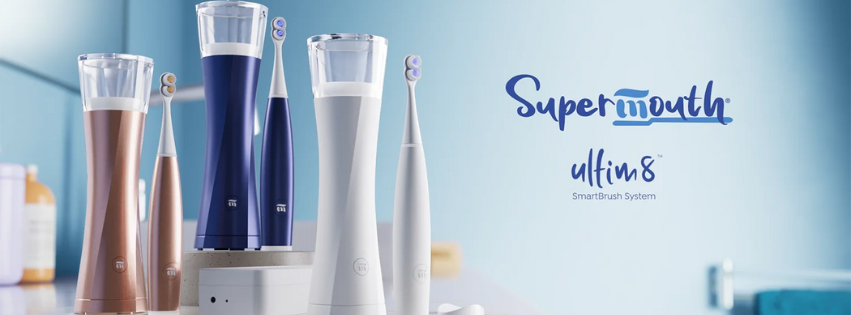
Maintaining good dental hygiene is an everyday responsibility that plays an important role in protecting teeth, supporting healthy gums, and keeping the mouth fresh. As personal care technology continues to develop, electric toothbrushes have become a convenient option for people who want to improve their daily cleaning habits. Super Mouth brings attention to modern toothbrush technology and how it can support a more organized approach to oral care. By understanding the features of electric toothbrushes and using them correctly, individuals can make practical improvements to their brushing routines.
A good oral hygiene routine does not need to be complicated. Regular brushing, cleaning between teeth, and attending dental appointments provide a strong foundation. Modern toothbrush technology can make these activities easier to manage while encouraging consistency.
Understanding Modern Toothbrush Technology
Traditional toothbrushes depend entirely on manual movement. Users control the brushing speed, pressure, and direction through repeated hand movements. Electric toothbrushes use a built-in motor to move the brush head, allowing users to focus more on positioning and coverage.
Depending on the design, an electric toothbrush may use oscillating, rotating, or vibrating movements. These actions help disrupt plaque on accessible tooth surfaces when the brush is used correctly.
Modern models may also include additional features such as rechargeable batteries, built-in timers, different brushing modes, and pressure sensors. These functions are intended to make everyday cleaning more convenient and help users develop consistent habits.
Technology alone does not guarantee better oral health. Proper technique, suitable toothpaste, and regular brushing remain essential regardless of the type of toothbrush being used.
The Importance of Effective Daily Brushing
Plaque is a sticky film of bacteria that forms naturally on teeth. It develops throughout the day and can collect around the gumline, between teeth, and on other surfaces. If it is not removed regularly, plaque can contribute to tooth decay and gum inflammation.
Brushing helps remove this buildup and supports cleaner teeth. Dental professionals commonly recommend brushing twice a day for two minutes with fluoride toothpaste.
An electric toothbrush can make the process more structured by providing powered brush-head movement. Users can guide the brush systematically around the mouth instead of relying entirely on manual strokes.
For thorough cleaning, attention should be given to the outer surfaces, inner surfaces, and chewing areas of the teeth. Moving through the mouth in an organized sequence can help prevent certain areas from being overlooked.
Built-In Timers for Consistent Cleaning
One useful feature found on many electric toothbrushes is a built-in timer. People often brush for less time than recommended because they are distracted, busy, or unsure how long they have been cleaning.
A timer helps users maintain an appropriate brushing duration. Some models also provide interval reminders that encourage users to move between different sections of the mouth.
This feature can make a daily routine more predictable. For example, users can divide their brushing time between the upper and lower teeth, giving each section sufficient attention.
Although a timer can support better habits, it cannot correct poor brushing technique automatically. Users should still guide the brush carefully, reach the back teeth, and clean near the gumline.
Exploring Different Brushing Modes
Some modern electric toothbrushes offer different brushing modes to accommodate individual preferences. These settings may adjust the speed or pattern of brush-head movement.
A standard mode is generally intended for everyday cleaning. Other available settings may provide a gentler experience for people who prefer less intense brushing.
The right setting depends on personal comfort and the specific features of the toothbrush. A stronger setting does not necessarily mean more effective plaque removal. Excessive brushing pressure can irritate the gums and contribute to enamel wear.
People with sensitive teeth or gum concerns should use a gentle approach and seek dental advice when necessary. Following the manufacturer’s instructions helps users understand the purpose of each available setting.
Brush-Head Design and Bristle Selection
The brush head is an important part of any toothbrush because it determines how comfortably users can reach different areas of the mouth.
A compact brush head may make it easier to clean back teeth and navigate smaller spaces. The shape and arrangement of the bristles can also influence the brushing experience.
Soft bristles are generally recommended for everyday oral hygiene. They can help remove plaque while reducing the need for aggressive pressure.
Users should position the brush head carefully and allow its movement to clean each tooth surface. Pressing too firmly is unnecessary, even when using an electric toothbrush.
Brush heads should also be replaced regularly. They generally need changing every three to four months, or sooner if the bristles become visibly worn or damaged.
Rechargeable Power for Everyday Convenience
Rechargeable batteries make many electric toothbrushes practical for regular use. Instead of replacing disposable batteries, users can recharge the handle according to the product instructions.
Battery performance and charging arrangements vary between models. Some devices use charging bases, while others offer charging systems designed for occasional connection.
A consistent charging routine helps ensure that the toothbrush is ready for morning and evening use. People who travel should also consider battery performance and whether they need to carry a charging accessory.
Users should follow the manufacturer’s guidance for charging, storage, and cleaning. This helps maintain the device and supports reliable operation over time.
Developing Better Brushing Techniques
Even with modern technology, brushing technique remains one of the most important parts of oral hygiene. Users should hold the toothbrush comfortably and apply gentle pressure.
Move systematically around the mouth, giving attention to the front teeth, back teeth, inner surfaces, and chewing areas. Avoid rushing or concentrating only on the most visible parts of the smile.
The gumline deserves particular attention because plaque can accumulate where teeth meet the gums. Gentle positioning helps clean this area without irritating sensitive tissue.
People who experience persistent bleeding, discomfort, or tooth sensitivity should consult a dental professional. These symptoms may require attention beyond changing toothbrushes or brushing modes.
Maintaining a Clean Toothbrush
Good toothbrush maintenance is essential for hygienic everyday use. After brushing, rinse the brush head thoroughly with clean water to remove toothpaste residue and debris.
Store the toothbrush upright in a clean, ventilated place and allow the bristles to dry between uses. Avoid storing brush heads in constant contact with other toothbrushes.
Clean the handle and charging components according to the product instructions. Do not use cleaning substances or methods that may damage the device.
Regular replacement of worn brush heads is equally important. A damaged brush head may become less effective and less comfortable to use.
Combining Technology With Complete Oral Care
Modern toothbrush technology should be part of a broader dental hygiene routine. Brushing twice daily with fluoride toothpaste helps remove plaque, but it does not fully clean the spaces between teeth.
Flossing or using an appropriate interdental cleaning tool helps remove debris from these areas. This additional step supports gum health and makes the routine more complete.
Dietary choices also matter. Limiting frequent sugary snacks and drinks can help reduce the risk of tooth decay. Drinking water throughout the day supports general oral cleanliness.
Regular dental checkups allow professionals to assess teeth and gums, identify potential concerns, and provide advice based on individual needs. People with braces, dental restorations, or specific oral health conditions may require personalized brushing recommendations.
Choosing Technology That Fits Your Needs
The most suitable toothbrush is not necessarily the one with the greatest number of features. Some users may prefer a simple electric design, while others may value timers, multiple modes, or rechargeable operation.
Consider comfort, ease of handling, brush-head availability, maintenance requirements, and the overall brushing experience. The device should fit naturally into everyday life and encourage consistent use.
Conclusion
Modern toothbrush technology offers practical ways to make daily dental hygiene more convenient and structured. Powered brush-head movement, built-in timers, different brushing modes, and rechargeable batteries can support a more consistent brushing experience when included in a particular model.
Super Mouth encourages an approach to oral care that combines suitable technology with everyday habits. Choosing a comfortable toothbrush, brushing gently twice daily, cleaning between teeth, and maintaining regular dental appointments can help support cleaner teeth and healthier gums. The real benefit of modern technology comes from using it consistently as part of a complete oral hygiene routine.
