

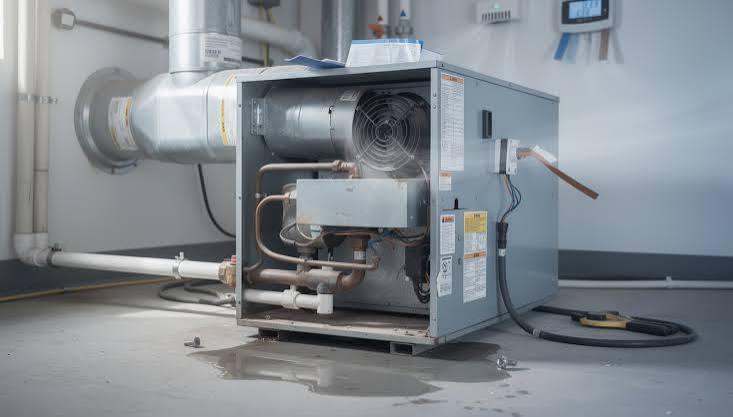
Home comfort depends on more than a working thermostat. It relies on a heating and cooling system that runs efficiently through hot summers, cool winters, and everything in between. For families across the region, professional service is what keeps that comfort steady from one season to the next. This article breaks down the most common questions homeowners ask, using a helpful, statistics-minded lens to explain why expert care matters. When you rely on a trusted HVAC Ventura County provider, you gain access to technicians who understand how local climate patterns affect equipment.
Why does professional service matter for home comfort?
A well-maintained system does far more than heat and cool. It filters the air you breathe, controls humidity, and protects the overall health of your household. Studies of residential energy use consistently show that heating and cooling account for the largest share of a home’s power consumption. That means a poorly tuned system quietly drains money month after month.
Coastal moisture, inland heat, and seasonal temperature swings all place unique demands on a system. Professionals adjust their approach based on these conditions, which helps your equipment perform at its best throughout the year.
How often should a home system be inspected?
Industry research points to a clear pattern: systems that receive regular inspections last longer and break down less often. Most manufacturers recommend a professional check-up twice a year—once before the cooling season and once before the heating season.
During these visits, a technician examines electrical connections, tests airflow, checks refrigerant levels, and cleans key components. Skipping these appointments often leads to small issues growing into major repairs. Homeowners who commit to routine service report fewer emergency calls and more predictable performance.
What are the signs a system needs attention?
Recognizing early warning signs can save you from a complete breakdown. Watch for these common indicators:
- Uneven temperatures across different rooms
- Strange noises such as rattling, grinding, or squealing
- Weak airflow from vents
- Rising energy bills without a change in usage habits
- Unusual odors when the system runs
- Frequent cycling on and off
Data gathered from service records shows that systems displaying two or more of these symptoms are far more likely to fail within the following months. Acting quickly on these clues often prevents a much larger expense later.
How does regular maintenance affect energy efficiency?
Efficiency is where maintenance truly proves its worth. A clean, well-adjusted system moves air with less strain, which reduces the workload on the motor and other moving parts. Field studies of serviced versus neglected units reveal a consistent gap in energy performance, with maintained systems using noticeably less power to deliver the same comfort.
Dirty filters, clogged coils, and low refrigerant all force a system to work harder. Over time, this extra strain shortens the equipment’s lifespan and raises operating costs. Routine care reverses this trend, keeping your system lean and responsive.
Can professional service improve indoor air quality?
Yes, and this benefit often goes unnoticed. Modern homes are sealed tightly for energy savings, which can trap dust, allergens, and moisture indoors. Research on indoor environments shows that people spend the vast majority of their time inside, making air quality a genuine health concern.
A professional service visit includes cleaning or replacing filters, inspecting ductwork, and checking humidity controls. These steps reduce airborne particles and help maintain balanced moisture levels. For households with allergies, asthma, or young children, this attention to air quality can make a meaningful difference in daily well-being.
What should you expect during a service appointment?
A thorough appointment follows a clear sequence. The technician begins by discussing any concerns you’ve noticed. Next comes a full inspection of both indoor and outdoor components. This includes testing the thermostat, measuring airflow, examining electrical parts, and confirming that safety controls function correctly.
After the inspection, the technician explains findings in plain language and outlines any recommended steps. Transparency here matters. A reputable provider gives you the information needed to make sound decisions about your home without pressure or confusing jargon.
How does year-round care differ by season?
Each season places distinct demands on your equipment. Preparing ahead of time keeps surprises to a minimum.
- Spring: Focus shifts to cooling readiness. Technicians clean condenser coils, check refrigerant, and test the system under load.
- Summer: Peak cooling season calls for attention to airflow and thermostat accuracy so the system keeps pace with heat.
- Fall: The emphasis moves to heating. Technicians inspect burners, test ignition systems, and confirm safe operation.
- Winter: Cold-weather care includes checking for airflow blockages and verifying that safety features respond correctly.
This seasonal rhythm helps your system meet each challenge without strain, supporting comfort no matter what the weather brings.
Making comfort a lasting priority
Year-round comfort is not an accident. It results from consistent care, informed decisions, and a partnership with skilled professionals who know the local climate. By scheduling regular inspections, watching for early warning signs, and prioritizing air quality, you protect both your home and your peace of mind. Reach out to a trusted local team, set a maintenance schedule that fits your household, and enjoy comfort that holds firm through every season.
