

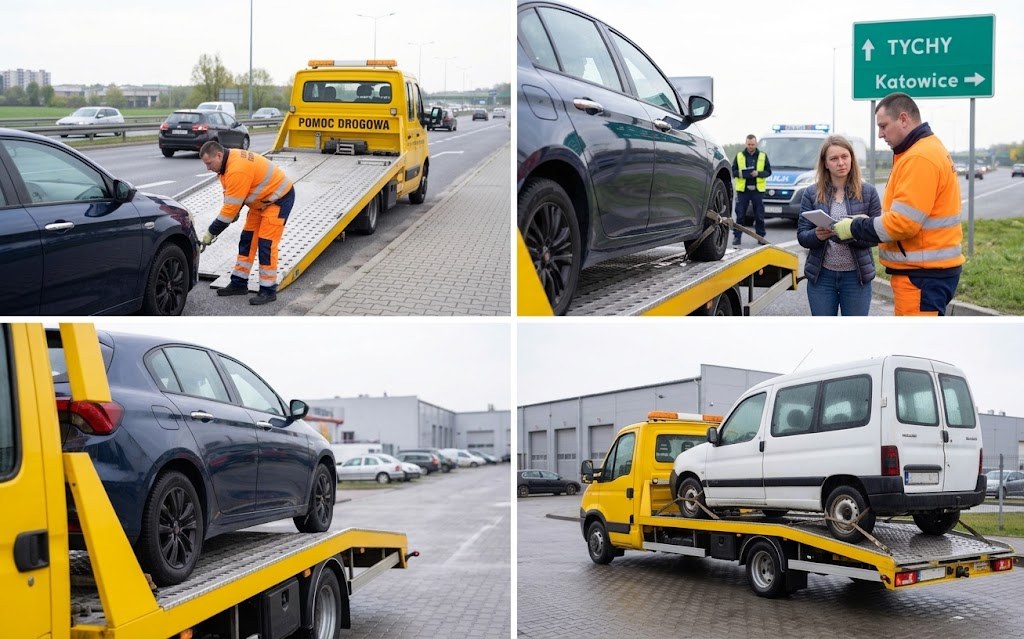
Unexpected vehicle problems can turn a normal journey into a stressful experience. A sudden engine failure, road accident, damaged tyre, or electrical malfunction may leave a driver unable to continue safely. In these situations, professional vehicle recovery can provide a practical way to transport a car to a repair workshop or another suitable destination. For motorists in southern Poland, autolaweta Tychy is a relevant search term when looking for vehicle transportation and recovery services.
Although some minor faults can be resolved at the roadside, other problems require specialist equipment and experienced assistance. Knowing when to call a professional recovery service can help drivers avoid further damage, reduce unnecessary delays, and make safer decisions during an emergency.
What Is an Autolaweta and How Does It Work?
An autolaweta is a vehicle transporter designed to carry cars and other vehicles from one location to another. Many transporters use a flatbed platform that allows a vehicle to be loaded and secured for transportation.
Unlike driving a damaged car to a garage, using a transporter means the vehicle does not need to travel under its own power. This is especially important when mechanical problems, accident damage, or other safety concerns make driving unsuitable.
Depending on the provider, an autolaweta Tychy service may be used to transport passenger cars, vans, non-running vehicles, and certain specialist vehicles. The exact services available depend on the company’s equipment and the vehicle’s condition.
Before booking, drivers should explain why the vehicle needs transportation and whether it can start, steer, and roll. This information helps the operator choose suitable equipment and prepare for any additional recovery requirements.
1. After a Road Accident
A road accident is one of the most common situations in which professional vehicle recovery becomes necessary. Even a collision that initially appears minor can cause hidden damage to the steering, suspension, braking system, wheels, or other important components.
Driving a damaged vehicle may increase the extent of the damage or create additional risks for the driver and other road users. If the car has leaking fluids, damaged wheels, unusual noises, or problems with steering, it should not be driven until its safety has been assessed.
Professional vehicle recovery can help move an accident-damaged car to a repair workshop, inspection facility, or another agreed destination.
When requesting assistance, explain the type of accident, the visible damage, and whether the vehicle is blocking traffic. If anyone is injured or there is an immediate danger, contact the appropriate emergency services first.
Choosing a suitable autolaweta Tychy provider can help ensure that a damaged vehicle is transported using equipment appropriate to its condition.
2. When Your Car Suffers a Serious Mechanical Failure
Mechanical problems can occur even in vehicles that receive regular servicing. Engine failure, transmission problems, severe overheating, and major fluid leaks can all make continued driving unsafe.
For example, an engine that overheats may suffer extensive damage if the driver continues travelling. Similarly, a serious transmission fault may make it impossible to control or move the vehicle correctly.
If a warning light appears alongside unusual noises, smoke, or a sudden loss of power, stop somewhere safe when possible and follow the vehicle manufacturer’s guidance. Avoid attempting repairs unless you can do so safely and have the necessary knowledge.
When roadside troubleshooting cannot resolve the problem, vehicle transportation may be the most practical option. A transporter can deliver the car to a qualified mechanic without requiring it to be driven.
Before booking, describe the symptoms and explain whether the engine starts or the wheels can move. This allows the recovery operator to determine whether ordinary loading equipment will be sufficient.
3. When Your Vehicle Will Not Start
A vehicle that refuses to start does not always need a transporter. A discharged battery may be resolved with appropriate battery assistance, depending on the circumstances. However, a faulty starter motor, electrical system failure, fuel delivery problem, or other mechanical issue may require professional diagnosis.
If basic troubleshooting does not help, transporting the vehicle to a workshop may save time and prevent repeated unsuccessful starting attempts.
Professional assistance can be particularly useful when the vehicle is parked in a restricted location, cannot be moved safely, or requires diagnostic equipment that is unavailable at the roadside.
When contacting an autolaweta Tychy company, explain what happens when you try to start the car. Mention whether the dashboard lights turn on, whether the engine cranks, and whether any warning messages appear.
Accurate information helps the operator assess your requirements and recommend an appropriate solution.
4. When the Wheels, Tyres, or Suspension Are Damaged
Tyre problems are relatively common, but not every damaged tyre can be replaced safely at the roadside. Multiple punctures, a broken wheel, a damaged rim, or suspension failure may leave a vehicle unable to move safely.
Driving on a severely damaged tyre or wheel can affect stability and potentially cause further damage. Attempting repairs beside moving traffic can also expose drivers to unnecessary danger.
In these circumstances, professional transportation may be preferable to attempting to drive the vehicle to a garage.
A flatbed transporter can be suitable for many damaged vehicles, although the correct loading method depends on whether the wheels turn freely and whether the suspension or steering is compromised.
When arranging autolaweta Tychy, explain the nature of the damage and whether the vehicle is positioned somewhere accessible. If it cannot roll normally, the operator may need specialised equipment to load it safely.
5. When Your Car Becomes Stuck in Difficult Conditions
Vehicles sometimes become immobilised in mud, snow, soft ground, or roadside ditches. Heavy rain, icy surfaces, and winter weather can increase the likelihood of these situations.
Attempting to free a stuck vehicle without suitable equipment can make matters worse. Excessive wheel spinning may deepen the vehicle’s position in soft ground, while pulling it with an unsuitable vehicle or attachment can cause structural damage.
Professional vehicle recovery operators may use winches and other equipment to recover a vehicle before transporting it to a suitable location.
However, not every transporter offers specialised recovery services. Before booking, describe the terrain, the vehicle’s position, and whether any wheels are damaged or trapped.
A company with appropriate equipment can assess the situation and explain the available options. If the vehicle is in a dangerous position, prioritise personal safety and contact the relevant authorities when necessary.
6. Transporting Non-Running or Newly Purchased Vehicles
Professional vehicle transportation is useful even when no emergency has occurred. Drivers may need to move a car that has been purchased privately, sold to another owner, or taken off the road for restoration.
A classic car undergoing repairs, for example, may not be suitable for public roads. Similarly, a newly purchased vehicle may need to be delivered before its roadworthiness or legal status permits driving.
Using an appropriate transporter can make these arrangements easier while avoiding unnecessary mileage and the risks associated with driving an unsuitable vehicle.
Before confirming the booking, provide the car’s dimensions, approximate weight, ground clearance, and condition. Explain any special loading requirements, particularly if the vehicle has low suspension or cannot move under its own power.
A suitable autolaweta Tychy service can help organise transportation according to your preferred collection time and destination.
7. How to Choose a Reliable Vehicle Recovery Provider
Selecting a recovery company requires more than comparing the lowest advertised prices. The provider should have suitable equipment, clear communication, and transparent service conditions.
Consider these factors before making a decision:
Equipment and capabilities: Confirm that the transporter can accommodate your vehicle’s size, weight, and condition.
Availability: Check operating hours and whether the company can assist at your location.
Transparent pricing: Ask about call-out fees, transportation distance, loading charges, and possible additional costs.
Professional experience: Look for evidence of responsible vehicle handling and relevant recovery experience.
Customer feedback: Review recent comments about punctuality, communication, and service quality.
Destination arrangements: Confirm the pickup location, delivery address, and expected arrival time.
It is also worth checking whether the company operates throughout Tychy and the surrounding Silesian region.
Before the transporter arrives, make sure the operator understands the problem and has provided an estimate whenever circumstances allow. This can help prevent misunderstandings and unnecessary delays.
8. What to Do Before the Transporter Arrives
Once assistance has been arranged, take a few practical steps to prepare for the vehicle’s collection, provided it is safe to do so.
Keep your keys and important documents accessible, remove valuables from the vehicle, and explain any issues that may affect loading. These might include an electronic parking brake, locked steering, damaged wheels, or a vehicle that cannot be shifted into neutral.
Do not attempt to move a seriously damaged car simply to make collection easier. Instead, inform the operator and follow their instructions.
If the vehicle is being delivered to a repair workshop, confirm that the destination can accept it at the expected time. It is also sensible to clarify who will receive the vehicle and whether any documentation is required.
These simple preparations can make the recovery process more organised and reduce avoidable complications.
Conclusion
Professional vehicle recovery is a practical solution when a car cannot safely continue its journey. Road accidents, major mechanical faults, starting problems, damaged wheels, difficult terrain, and the transportation of non-running vehicles are all situations in which a suitable transporter may be necessary.
For drivers searching for autolaweta Tychy, the best choice is a provider that offers appropriate equipment, transparent pricing, reliable communication, and responsible vehicle handling.
Before arranging assistance, explain your vehicle’s condition clearly, confirm the expected cost, and check whether your insurance includes roadside recovery or towing benefits. Above all, prioritise personal safety during breakdowns and accidents.
With the right preparation and a suitable recovery provider, transporting a damaged or immobilised vehicle can become a more straightforward process, helping you focus on getting the car repaired and returning to the road when it is safe to do so.
