

Introduction
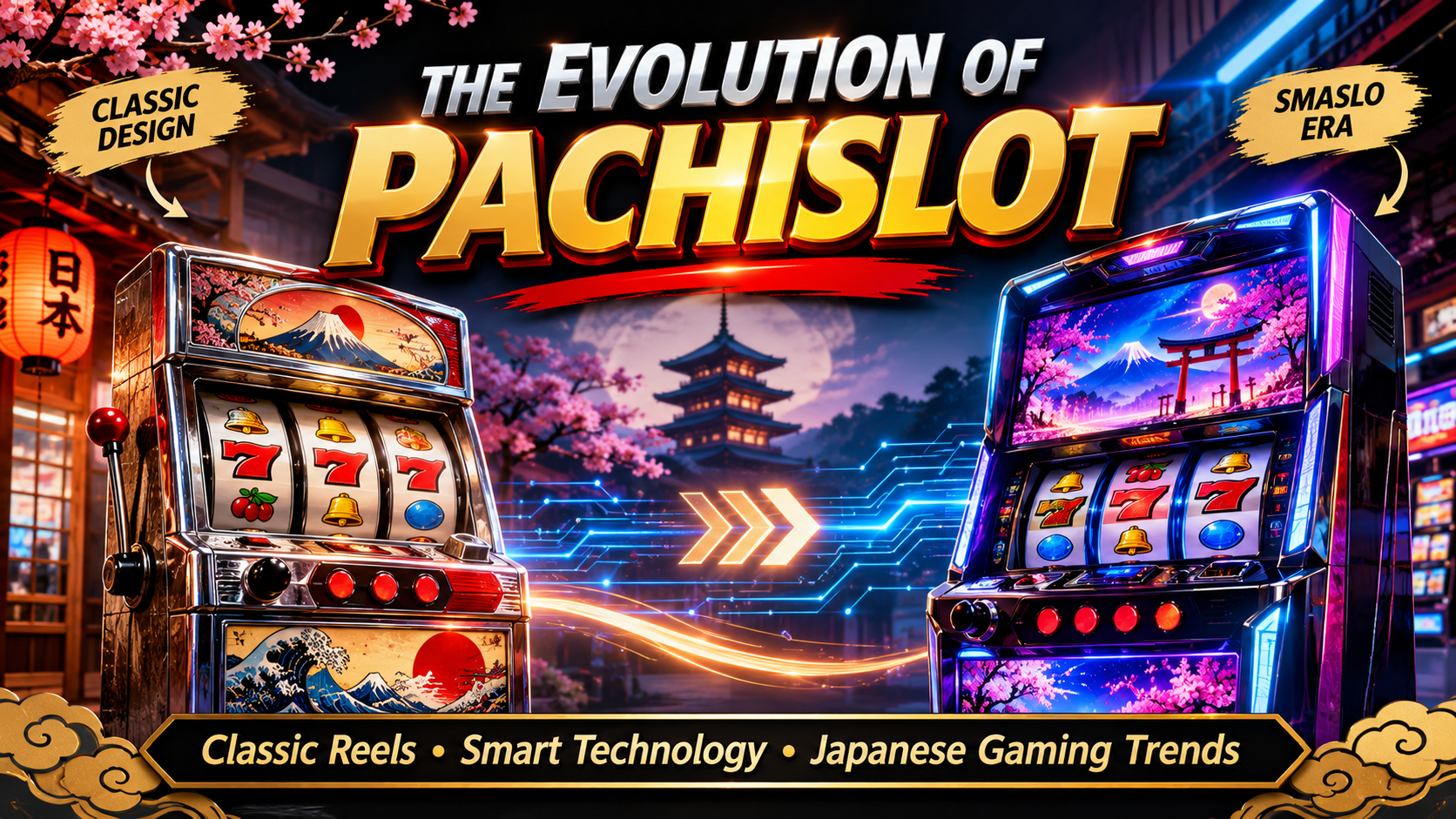
Japan has a unique and fascinating gaming culture that combines traditional entertainment with modern technological innovation. Among its most recognizable attractions are pachislot machines, which have evolved significantly over the decades. From simple mechanical designs to sophisticated electronic gaming systems, パチスロ machines represent an important part of Japan’s entertainment industry.
Pachislot is closely connected to the country’s pachinko culture, but it offers a distinct gaming experience based on spinning reels, symbols, buttons, and electronically controlled features. Over time, manufacturers have introduced advanced graphics, improved sound systems, innovative gameplay mechanics, and digital technologies that have transformed the traditional experience.
Today, pachislot machines are more than basic reel-based entertainment devices. They combine elements of Japanese pop culture, animation, storytelling, engineering, and interactive digital design. Their development demonstrates how traditional gaming concepts can adapt to changing consumer expectations and technological advancements.
In this article, we explore the evolution of pachislot machines in Japan, examining their historical beginnings, classic designs, technological improvements, modern gameplay features, and the latest trends shaping their future.
1. The Origins of Pachislot Machines in Japan
To understand modern pachislot machines, it is important to explore their historical roots.
Pachislot developed from the wider Japanese pachinko entertainment industry. Pachinko machines became popular as recreational attractions, offering players an experience based on mechanical components, moving balls, and visual displays.
As electronic gaming technology advanced, manufacturers began exploring machines that combined familiar slot-style mechanics with elements of Japanese pachinko entertainment.
Early pachislot machines featured relatively simple designs. Their main components included spinning reels, recognizable symbols, physical buttons, and straightforward visual presentations.
These machines established the foundation for the industry. Although their technology was relatively basic compared with modern systems, they introduced a recognizable format that would continue to influence future generations.
Over time, manufacturers began introducing more sophisticated electronics, expanding the possibilities of game development and creating opportunities for more varied entertainment experiences.
2. Classic Pachislot Designs and Their Unique Appeal
Classic pachislot machines hold an important place in Japanese gaming history.
Their designs were generally focused on simplicity, recognizable symbols, physical controls, and mechanical-inspired visual effects.
Unlike many modern machines, which emphasize cinematic presentations and digital animations, traditional pachislot models often relied on straightforward reel displays and familiar gameplay structures.
Traditional Reel Systems
The spinning reel system is one of the most recognizable characteristics of pachislot machines.
Traditional models featured three reels displaying different symbols. Players interacted with physical controls to initiate and stop reel movements.
The appearance of matching symbols and different combinations formed the central visual element of the experience.
This familiar design became an important part of pachislot’s identity and remains influential in modern machines.
Physical Buttons and Controls
Classic machines generally featured physical buttons and clearly arranged control panels.
These controls provided a direct connection between the player and the machine.
The tactile nature of traditional controls contributed to the distinctive experience of pachislot entertainment.
Simple Visual Presentations
Early pachislot machines generally featured limited graphics compared with contemporary models.
Their displays focused primarily on reel symbols, basic lighting effects, and straightforward visual indicators.
Despite their simplicity, these designs established a recognizable style that continues to influence Japanese gaming aesthetics.
The Nostalgia Factor
Classic pachislot machines remain interesting to collectors and gaming enthusiasts because they represent an earlier period of Japanese entertainment technology.
Their mechanical appearance, traditional symbols, and relatively straightforward presentation offer a different experience from the highly digital machines available today.
They also provide valuable insight into how manufacturers gradually transformed an established gaming format.
3. The Transition from Mechanical Systems to Electronic Technology
One of the most important developments in pachislot history was the transition toward increasingly sophisticated electronic systems.
As semiconductor technology and digital processing improved, manufacturers gained new opportunities to develop more complex machines.
Electronic components made it possible to coordinate different functions more efficiently and introduce features that were difficult to implement using earlier mechanical designs.
Modern pachislot machines use electronic control systems to manage various aspects of their operation, including visual presentations, sound effects, game modes, and internal game logic.
This technological transition helped create more flexible game designs.
Manufacturers could introduce different themes, visual effects, and interactive sequences without depending entirely on traditional mechanical components.
The result was a gradual transformation from relatively simple gaming devices into sophisticated entertainment systems.
4. Advanced Graphics and Visual Technology
Visual presentation has become one of the defining characteristics of modern pachislot machines.
Earlier machines relied primarily on physical reels and relatively basic displays. Contemporary models, however, can feature advanced digital screens, animated sequences, detailed backgrounds, and cinematic effects.
High-Resolution Displays
Modern display technology allows manufacturers to present clearer images and more detailed visual environments.
These displays can support animated characters, complex backgrounds, and visual effects that enhance the overall presentation.
Animated Storytelling
Many modern machines incorporate storytelling elements inspired by Japanese animation, television, and video games.
Instead of relying exclusively on reel-based visuals, these machines may present characters, scenes, and narrative sequences.
This approach creates a connection between traditional gaming and modern digital entertainment.
Lighting and Visual Effects
LED lighting and other display technologies can contribute to the atmosphere of modern machines.
Lighting effects may accompany different gameplay events, while animated transitions help distinguish between different game modes.
Together, these elements create a more visually sophisticated experience.
5. The Influence of Anime, Manga, and Japanese Pop Culture
Japanese pop culture has played a major role in shaping modern pachislot entertainment.
Many manufacturers have developed machines based on recognizable anime series, manga characters, television programs, and video game franchises.
These collaborations allow developers to bring familiar fictional worlds into physical gaming environments.
For example, a machine inspired by an anime franchise might include recognizable characters, background music, voice recordings, and animated scenes.
Such features create a connection between pachislot and Japan’s wider entertainment industry.
Popular Themes and Characters
Anime-inspired designs are particularly recognizable because of their distinctive artwork and character-driven storytelling.
Manufacturers frequently incorporate fantasy adventures, action themes, futuristic settings, and dramatic narratives into their machines.
Music and Soundtracks
Music is another important element of Japanese pachislot design.
Some machines feature recognizable musical themes, character voices, and sound effects that help establish the atmosphere.
Audio presentation can also be coordinated with visual events to create a more engaging entertainment experience.
Expanding Entertainment Beyond Traditional Gaming
The integration of popular entertainment franchises demonstrates how pachislot has developed beyond its original mechanical identity.
Modern machines can combine aspects of gaming, animation, music, and storytelling within a single product.
This creative approach has helped establish a distinctive place for pachislot within Japanese popular culture.
6. Modern Gameplay Mechanics and Interactive Features
Technological development has allowed manufacturers to introduce increasingly varied gameplay mechanics.
While traditional pachislot machines focused heavily on spinning reels and symbol combinations, modern models may include multiple modes, bonus presentations, and specialized digital features.
Different Game Modes
Modern pachislot machines may feature several gameplay modes.
These modes can change the visual presentation, sound effects, and structure of the entertainment experience.
Some machines incorporate introductory sequences, standard gameplay, special events, and bonus-related presentations.
Bonus Features
Bonus features have become an important part of modern pachislot design.
Depending on the machine, these may involve special animations, additional game sequences, or distinctive visual presentations.
Such features help manufacturers create individual identities for their products.
Character-Based Interactions
Some machines incorporate characters that appear during specific sequences.
These appearances may be accompanied by dialogue, animation, or recognizable music.
The integration of character-based elements gives modern pachislot machines a more entertainment-focused identity.
It is important to remember that these features differ between titles and do not guarantee particular outcomes.
7. The Introduction of SmaSlo Technology
One of the most notable developments in recent Japanese pachislot history is the introduction of SmaSlo machines.
SmaSlo, short for smart slot, represents a modern generation of pachislot machines that uses electronic systems for medal management.
Traditional pachislot machines generally involve physical medals during gameplay. SmaSlo machines use a digital medal management approach, reducing the need for conventional physical medal handling.
This development represents an important change in the operating infrastructure of Japanese gaming machines.
Digital Medal Management
The smart medal system is one of the defining characteristics of SmaSlo technology.
It allows the machine to manage medal-related functions electronically rather than relying on traditional physical medals.
This approach contributes to a more modern machine design and changes aspects of the operating environment.
Modern Machine Architecture
SmaSlo machines also reflect broader improvements in electronic systems and software development.
Their technological architecture supports contemporary game designs and modern entertainment presentations.
A New Stage in Pachislot Development
The introduction of SmaSlo technology demonstrates how the industry continues to adapt.
It combines familiar pachislot concepts with newer electronic systems, providing an example of the industry’s ongoing modernization.
8. The Importance of Regulation in Japanese Pachislot Gaming
Japan’s pachislot industry operates within a regulated environment.
Technical standards and legal requirements influence how machines are designed, manufactured, and operated.
These regulations are important because they establish requirements for machine functionality and help define the boundaries within which manufacturers can innovate.
As technology develops, manufacturers must ensure that their products meet the applicable requirements.
This can influence everything from internal machine systems to the features included in different models.
Regulatory developments have also played a role in shaping different generations of pachislot machines.
For enthusiasts, understanding this regulatory background provides useful context for understanding why certain machines have particular operating characteristics.
Responsible gaming is equally important. Pachislot involves chance, and no system or playing approach can guarantee favorable outcomes. It should be understood as regulated entertainment rather than a dependable way to earn money.
9. Latest Trends in the Japanese Pachislot Industry
The modern pachislot industry continues to change as manufacturers respond to technological developments and evolving entertainment preferences.
Several trends are particularly important.
More Sophisticated Visual Presentations
Manufacturers continue to explore improved graphics, advanced animations, and more detailed display technology.
These developments help create visually distinctive machines.
Original and Licensed Entertainment Themes
Both original concepts and established entertainment franchises remain important sources of inspiration.
Manufacturers continue experimenting with different themes, characters, and fictional environments.
Digital Technology Integration
Electronic systems are becoming increasingly important in the design and operation of contemporary machines.
SmaSlo technology represents one example of how digital systems are changing traditional machine infrastructure.
Improved Audio Experiences
Sound design continues to develop through improved audio hardware, more detailed sound effects, and coordinated musical presentations.
More Varied Game Design
Modern developers have access to more sophisticated software tools, allowing them to experiment with different presentation styles and gameplay structures.
This creates opportunities for greater diversity between individual machine titles.
10. Challenges Facing the Modern Pachislot Industry
Although technological development has created many opportunities, the pachislot industry also faces several challenges.
One important challenge is changing consumer expectations.
Modern audiences have access to advanced video games, mobile entertainment, streaming services, and interactive digital platforms. Physical gaming machines must therefore maintain their distinctive appeal.
Another challenge involves the cost of technological development.
High-quality displays, advanced sound systems, electronic components, and software development require investment.
Manufacturers must balance these costs with product quality and market expectations.
Regulatory compliance also remains an important consideration. Changes in technical standards can influence machine development and require manufacturers to adapt their designs.
Finally, responsible gaming and consumer protection are essential to the industry’s long-term sustainability.
These challenges demonstrate that the future of pachislot depends on more than simply introducing newer technology.
11. What Does the Future Hold for Pachislot Machines in Japan?
The future of Japanese pachislot will likely involve continued improvements in digital technology, entertainment design, and electronic systems.
Artificial intelligence, improved animation tools, and more advanced software development environments may influence how future machines are created.
However, the exact role of these technologies remains uncertain.
Potential AI-Assisted Development
AI-assisted tools may help developers with artwork production, software testing, localization, and creative planning.
These technologies could improve certain development processes while allowing creative teams to focus on the overall entertainment experience.
More Immersive Entertainment
Future machines may feature improved displays, coordinated audio effects, and increasingly detailed visual presentations.
These developments could strengthen the relationship between pachislot and other forms of Japanese digital entertainment.
Continued Digital Modernization
Electronic medal management and advanced machine architecture may remain important areas of development.
Manufacturers could continue exploring ways to improve equipment reliability and operational efficiency.
Creative New Themes
Future pachislot titles may introduce original stories, new characters, and creative visual concepts.
The connection between Japanese pop culture and pachislot is likely to remain an important source of inspiration.
Ultimately, the industry’s direction will depend on technological progress, regulatory developments, and changing consumer interests.
Conclusion
The evolution of pachislot machines in Japan is a fascinating example of how traditional entertainment can transform through technology and creative innovation.
From classic reel-based designs and physical controls to advanced electronic systems and modern SmaSlo technology, pachislot has experienced significant changes throughout its history.
The introduction of digital displays, sophisticated sound systems, animated storytelling, and entertainment-inspired themes has helped redefine the identity of modern machines.
Japanese pop culture has also played an important role in this transformation, connecting pachislot with anime, manga, music, and video games.
Looking ahead, continued digital development, improved visual technology, and innovative software may introduce new possibilities for the industry. At the same time, regulatory compliance, responsible gaming, and consumer expectations will remain essential considerations.
Ultimately, pachislot machines represent more than a technological evolution. They reflect Japan’s ability to combine traditional entertainment concepts with modern engineering and creative storytelling, making them an interesting part of the country’s evolving gaming culture.
