

Introduction
Men’s sexual wellness is an important part of overall health, yet it is often discussed mainly in terms of physical performance. Sexual health is much broader. It includes physical function, emotional well-being, confidence, relationships, hormonal balance, and the ability to make informed decisions about personal health. These factors can influence one another, which means that sexual concerns do not always have a single cause or solution.
Changes in sexual function can occur at different stages of life. Some may be temporary and associated with tiredness, stress, or lifestyle habits, while others may be connected to underlying medical conditions. Erectile difficulties, reduced sexual desire, and concerns about sexual stamina can sometimes indicate issues that deserve professional assessment rather than being treated as isolated performance problems.
The growing market for sexual wellness products has also made it increasingly important to distinguish responsible product information from exaggerated claims. Understanding the relationship between physical health, psychological factors, medical care, and product safety can help men approach sexual wellness with realistic expectations and greater confidence.
1. Understanding the Different Dimensions of Men’s Sexual Health
Men’s sexual health involves several interconnected dimensions. Physical function is one aspect, but sexual well-being also depends on psychological comfort, relationship quality, general health, and individual expectations. A concern in one area may influence another, making a broader understanding important.
Erectile function, for example, involves coordination between the nervous system, blood vessels, hormones, and psychological responses. An erection depends partly on adequate blood flow and the ability of relevant tissues to respond to nerve signals. Conditions that affect circulation, nerve function, or hormone regulation can therefore influence erectile function.
Sexual desire is a separate but related aspect. Libido can be influenced by hormonal changes, sleep quality, emotional health, relationship experiences, medication, and general physical condition. A reduction in sexual interest does not necessarily indicate a medical disorder, particularly when it occurs temporarily during periods of stress or fatigue.
Ejaculatory function, orgasm, and sexual satisfaction are also distinct parts of sexual health. Difficulties involving ejaculation may have different causes from erectile dysfunction, while concerns about orgasm can involve neurological, psychological, medication-related, or other factors. Treating all sexual concerns as the same problem can make it harder to identify appropriate support.
Sexual health also includes communication, consent, comfort, and mutual expectations within relationships. A person’s experience cannot be measured only through physical performance. A balanced understanding recognises that sexual wellness is influenced by the whole person rather than one physical response.
2. How Cardiovascular Health and Lifestyle Habits Relate to Sexual Function
Cardiovascular health plays an important role in sexual function, particularly erectile function. An erection requires changes in blood flow within penile tissues, supported by healthy blood vessels and normal signalling mechanisms. Conditions that affect circulation can therefore influence sexual performance.
High blood pressure, diabetes, elevated cholesterol, obesity, and cardiovascular disease are among the health conditions associated with erectile difficulties. Smoking and physical inactivity can also contribute to vascular problems. In some cases, persistent erectile dysfunction may appear before other noticeable signs of cardiovascular disease, making medical assessment important.
Lifestyle habits can influence these underlying risk factors. Regular physical activity supports cardiovascular fitness and metabolic health, while balanced nutrition can contribute to maintaining healthy blood pressure, cholesterol, and blood glucose levels. Avoiding tobacco and limiting excessive alcohol consumption are also relevant to long-term health.
Sleep deserves attention as well. Inadequate or disrupted sleep can affect energy, mood, hormone regulation, and general well-being. Persistent sleep problems may also be associated with conditions that influence sexual function. Addressing sleep quality can therefore form part of a broader approach to health, although it should not be considered a guaranteed solution to sexual difficulties.
Lifestyle changes do not replace medical evaluation when symptoms persist. They are best understood as part of overall health management. Clinical guidance from the Canadian Urological Association also recognises the relationship between erectile dysfunction and cardiovascular risk factors, including hypertension, diabetes, obesity, smoking, and sedentary behaviour. <Cite refs={[“turn147379search11″,”turn147379search10”]}/>
3. Psychological Factors, Stress, and Relationship Well-Being
Sexual wellness is influenced by psychological and emotional factors as much as by physical health. Stress, anxiety, low mood, relationship conflict, and concerns about performance can affect sexual desire and function. These experiences may influence the body’s response to sexual stimulation and can sometimes create a cycle in which anxiety makes an existing concern more difficult to manage.
Performance anxiety is one example. When a person becomes overly focused on achieving or maintaining a particular physical response, attention may shift away from comfort, intimacy, and communication. Worry about a previous experience can create further pressure during later encounters. This does not mean that the concern is imaginary. Psychological responses can produce genuine physical effects.
Work-related pressure, financial concerns, family responsibilities, and inadequate rest may also affect sexual interest. Relationship communication can be equally important. Unresolved disagreements, a lack of emotional connection, or different expectations may contribute to dissatisfaction even when no obvious physical problem is present.
Educational resources and product information are also part of the wider sexual wellness environment. Canadian online platforms such as Omega Full Potential sexual wellness collection feature performance-related products, peptides, fitness supplements, and sexual wellness products for adults interested in fitness and wellness. Information about these categories is most useful when considered alongside reliable health guidance, realistic expectations, and an understanding of the difference between product descriptions and established medical evidence.
A supportive approach to psychological well-being may include open communication with a partner, stress-management practices, and professional counselling when appropriate. Cognitive behavioural therapy and other forms of sexual counselling may be considered in situations where anxiety, emotional distress, or relationship factors contribute to sexual difficulties. Psychological support can also complement medical treatment when physical and emotional factors occur together.
4. Common Men’s Sexual Health Concerns and Available Medical Approaches
Men may experience different sexual health concerns, and each can have several possible causes. Understanding the nature of a concern is an important first step because treatment depends on the underlying factors, medical history, and individual circumstances.
- Erectile dysfunction: This refers to persistent difficulty achieving or maintaining an erection suitable for sexual activity. Possible causes include vascular conditions, diabetes, hormonal issues, nerve-related problems, medication effects, and psychological factors. Medical assessment can help identify contributing conditions and determine whether treatments such as prescription medicines or other clinical approaches are appropriate.
- Reduced sexual desire: A decrease in libido may be associated with stress, depression, relationship difficulties, hormonal changes, chronic illness, sleep problems, or certain medications. Treatment depends on identifying the relevant factors rather than assuming that every change in desire requires a supplement or hormone-related product.
- Premature ejaculation: This involves ejaculation occurring sooner than desired and may be associated with distress or difficulty managing sexual activity. Psychological factors, sensitivity, relationship circumstances, and other health considerations may contribute. Depending on the situation, healthcare professionals may discuss behavioural approaches, counselling, or medical treatment.
- Delayed ejaculation and orgasm difficulties: Some men experience difficulty reaching orgasm or ejaculating despite adequate stimulation. Possible contributors include certain medications, neurological conditions, psychological factors, and underlying health problems. A professional assessment can help distinguish between these causes.
- Hormonal concerns: Changes in testosterone and other hormones may influence sexual desire, energy, and aspects of physical function. However, symptoms alone cannot confirm a hormone deficiency. Appropriate clinical evaluation and laboratory testing may be necessary before considering treatment.
- Penile pain or structural changes: Pain, curvature, injury, or other physical changes can affect comfort and sexual function. These concerns should be assessed by a qualified healthcare professional rather than managed through unverified products or online advice.
Medical approaches vary according to the diagnosis. Prescription medicines may be suitable for certain conditions, while counselling, treatment of underlying diseases, medication reviews, or specialist care may be more appropriate in other situations. For example, medicines used for erectile dysfunction are not suitable for everyone and can interact dangerously with nitrate medications. Treatment decisions should therefore be made with a qualified healthcare professional. <Cite refs={[“turn147379search0″,”turn495355search0”]}/>
5. Understanding Sexual Wellness Products and Their Limitations
Sexual wellness products are available in several forms, including supplements, topical products, personal lubricants, devices, and prescription treatments. These categories serve different purposes and should not be evaluated as though they offer interchangeable solutions.
Some products are designed to improve comfort or support particular aspects of sexual activity, while others are marketed for libido, stamina, or erectile function. The evidence supporting these claims varies considerably. A product that helps address dryness or friction, for example, serves a different purpose from a prescription medicine intended to treat erectile dysfunction.
Ingredient information is particularly important when evaluating supplements and other health products. Terms such as natural, herbal, or performance-enhancing do not automatically establish safety or effectiveness. Ingredients may interact with prescription medicines, and some products marketed for sexual enhancement have been found to contain undeclared pharmaceutical substances.
Health Canada advises consumers to purchase only sexual enhancement products authorised for sale in Canada. Authorised products should carry an appropriate identifier, such as a Drug Identification Number (DIN), Natural Product Number (NPN), or Homeopathic Drug Number (DIN-HM), depending on the product category. Consumers can use Health Canada’s relevant product databases to verify authorisation.
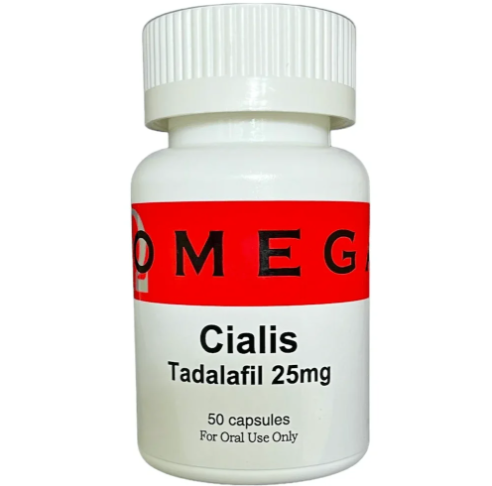
Online availability should never be treated as proof of regulatory approval. Products sold through unverified websites may contain ingredients that are not listed on their labels, incorrect amounts, or contaminants resulting from inadequate manufacturing conditions. Some unauthorised sexual enhancement products have been found to contain prescription medicines such as sildenafil or tadalafil without appropriate disclosure. These substances can create serious risks, particularly when combined with nitrate medications or used without medical supervision. <Cite refs={[“turn495355search0″,”turn495355search1”]}/>
6. Making Informed Decisions About Long-Term Sexual Wellness
A responsible approach to sexual wellness focuses on understanding individual needs, recognising when professional advice is appropriate, and evaluating product information carefully. Short-term performance claims should not replace attention to physical health, emotional well-being, and long-term habits.
Several considerations can help support more informed decisions:
- Pay attention to persistent changes: Occasional changes in sexual function may occur during periods of tiredness or stress. However, repeated erectile difficulties, ongoing changes in libido, pain, or other persistent symptoms deserve medical attention.
- Consider overall health: Blood pressure, blood glucose, cholesterol, cardiovascular fitness, sleep, and mental well-being can all be relevant to sexual health. A broader health assessment may identify factors that would otherwise remain unnoticed.
- Review medications with a professional: Certain prescription medicines can influence sexual desire or function. A healthcare professional can review possible side effects and discuss suitable alternatives when appropriate. Prescribed medication should not be stopped or changed without medical advice.
- Check product authorisation: Health products sold in Canada should be assessed for their regulatory status. DIN, NPN, or DIN-HM identifiers can help consumers check whether a product has been authorised for sale.
- Question exaggerated claims: Promises of guaranteed performance, immediate results, or permanent improvements should be approached cautiously. Testimonials and marketing statements do not provide the same level of evidence as well-designed clinical research.
- Prioritise communication and emotional well-being: Honest conversations with partners can help reduce misunderstandings and unnecessary pressure. Counselling may also be useful when anxiety, stress, or relationship concerns affect sexual satisfaction.
- Seek appropriate medical support: Sexual health professionals, family physicians, and urologists can help investigate concerns and explain available treatment options. Early assessment may be particularly useful when symptoms could be related to cardiovascular, metabolic, or hormonal conditions.
Long-term sexual wellness is not defined by a single measure of performance. It involves maintaining general health, recognising changes, seeking reliable information, and choosing appropriate support based on individual circumstances.
Conclusion
Men’s sexual wellness extends beyond physical performance and involves cardiovascular health, hormonal function, psychological well-being, relationships, and informed healthcare decisions. Erectile difficulties, changes in libido, and other sexual concerns may have several contributing factors, which is why identifying the underlying cause is more useful than relying on broad product claims.
Lifestyle habits can support general health, while medical evaluation can help identify conditions that require specific treatment. Sexual wellness products also vary in purpose, evidence, and regulatory status, making careful research particularly important in an increasingly crowded online marketplace.
A balanced approach places health, communication, and reliable information at the centre of sexual wellness. By understanding the different dimensions of sexual health and recognising the limitations of unverified products, men can make more informed decisions that support long-term well-being.
