

Introduction
Cannabis products are available in several formats, each with distinct characteristics, ingredients, and methods of use. Dried flower, edibles, oils, and vape products are among the most widely recognised categories. Although these products may contain cannabinoids such as THC and CBD, their composition and how the body processes them can differ significantly.
Understanding product formats is useful when interpreting online catalogues, packaging information, and educational resources. A category name provides a starting point, but it does not explain every important detail about potency, ingredients, onset of effects, or product safety. For example, an edible containing cannabis extract differs from dried flower not only in its physical form but also in how its effects may develop.
This article examines common cannabis formats, explains their main differences, and outlines the product information readers should review. The aim is to clarify terminology and support a more informed understanding of cannabis products without making assumptions about their quality or effects.
What Determines a Cannabis Product’s Format?
A cannabis product’s format refers to how the material is prepared and presented for its intended method of use. Some products consist primarily of dried plant material, while others contain extracted cannabinoids incorporated into oils, foods, beverages, or vaporizer formulations.
The starting material and manufacturing process influence the final product. Dried flower is harvested and prepared plant material. Concentrates involve separating selected compounds from the plant, while edible products combine cannabis ingredients with a food or beverage formulation. Vape products may contain cannabis extracts in cartridges or other devices designed for vaporisation.
The format also affects how product information is presented. Dried flower may list cannabinoid concentrations as percentages, whereas an edible may state the THC quantity per serving and per package. Oils may use milligrams per millilitre, while vape products may provide details about cartridge contents and ingredients.
These measurements are not automatically interchangeable. Comparing two products requires checking the units, the total quantity, and whether the information refers to concentration or the amount of a compound in the complete product.
Product format also does not establish potency by itself. Two products within the same category can contain different amounts of THC or CBD. Their ingredients, production methods, and other characteristics may vary as well. Understanding the format is therefore only the first step in evaluating the information available for an individual product.
Dried Cannabis Flower and Concentrates
Dried cannabis flower consists of harvested cannabis flowers that have been dried and prepared for use. It is commonly presented as loose plant material or in pre-rolled formats. Product descriptions may include information about the cultivar, cannabinoid content, aroma, and package weight.
Flower listings sometimes use labels such as indica, sativa, or hybrid. These terms are common in retail descriptions, but they do not reliably predict an individual’s experience. Cannabinoid composition, terpene profile, product potency, and individual sensitivity are more useful considerations when interpreting a specific product description.
Pre-rolls offer a different presentation of dried flower because the plant material is already placed in a rolling paper. Some products may contain additional ingredients or concentrates, so the label should be checked rather than assuming that every pre-roll contains only dried flower.
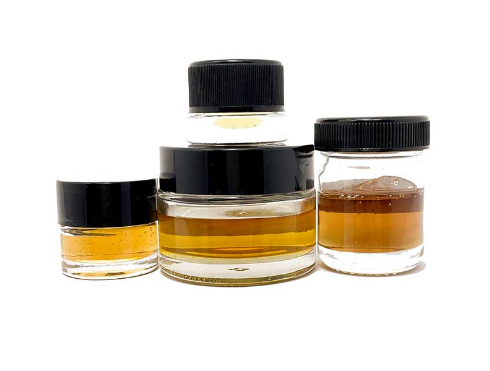
Concentrates, by comparison, are made by separating or concentrating selected compounds from cannabis material. Examples include hash, kief, wax, shatter, rosin, and live resin. Their textures and production methods vary, and many concentrates contain substantially higher THC concentrations than dried flower.
The distinction between flower and concentrates is relevant when comparing product descriptions. A concentrate’s appearance or name cannot independently establish its potency or purity. Similarly, a flower’s aroma or visual characteristics cannot confirm its full chemical composition.
For readers exploring an online catalogue such as westcoastbud io, the useful approach is to treat product names and category labels as introductory information. The individual listing should provide the details needed to understand what the product contains, how it is presented, and which warnings or restrictions apply.
Edibles and Cannabis-Infused Beverages
Edibles are foods that contain cannabis ingredients, while cannabis-infused beverages are formulated for consumption as drinks. Depending on the product and the applicable regulations, these formats may include gummies, chocolates, baked goods, or other food and beverage products.
One important difference between edible products and inhaled cannabis is how their effects develop. When cannabis is consumed orally, THC is processed through the digestive system and liver before entering general circulation. As a result, effects can take longer to become noticeable and may last longer than those associated with inhalation.
This delay can create a safety concern when someone assumes that a product has not had an effect simply because the initial response is not immediate. Taking additional amounts too soon can lead to unwanted or unexpectedly intense effects. Product labels and public health guidance should be followed carefully.
Edibles also require attention to serving information. A package may contain several servings, and the amount of THC per serving can differ from the total amount in the package. Readers should distinguish these figures and avoid assuming that a single package represents one serving.
Ingredients are another important consideration. Food-based products may contain allergens or other ingredients unrelated to cannabis. Product descriptions should be read alongside the complete ingredient list and applicable warnings.
Cannabis-infused beverages have their own formulation and packaging characteristics. Their appearance may resemble ordinary drinks, which makes secure storage and clear identification particularly important. All cannabis edibles and beverages should be kept away from children and pets.
The key point is that edible formats cannot be evaluated using the same assumptions applied to dried flower or vape products. Their cannabinoid quantities, ingredients, and delayed effects make product-specific information essential.
Cannabis Oils, Extracts, and Vape Products
Cannabis oils and extracts cover several product types, so these terms should not be treated as interchangeable. Some oils are formulated for oral use, while other cannabis extracts are incorporated into products designed for vaporisation. The product’s formulation and intended route of use determine which information is relevant.
Oral cannabis oils may provide cannabinoid quantities in milligrams per millilitre or in a stated volume. The concentration alone does not reveal the total amount in the container, so readers should review both the concentration and package size. Instructions and warnings on the product label are also important.
Vape products are designed to heat a formulation so that the resulting aerosol can be inhaled. Cannabis vape cartridges may contain concentrated cannabis extracts, while their composition can vary according to the product and manufacturer. Ingredients, cartridge compatibility, and product-specific warnings should be reviewed where those details are provided.
Cannabis vape formulations should not automatically be confused with nicotine e-liquids. They may contain different substances and are subject to different product requirements. A familiar device design does not establish that two formulations are equivalent.
Product descriptions sometimes highlight flavour or aroma. While these details may describe sensory characteristics, they do not independently establish the composition or safety of the formulation. Clear ingredient information and appropriate quality documentation are more useful when evaluating a product.
Vaping also carries health risks, and inhaling a product does not become risk-free because it is marketed as a convenient or discreet format. Readers should avoid using products from unknown sources or assuming that an unfamiliar formulation is safe based on its appearance.
When comparing oils, extracts, and vape products, it is important to identify the exact format first. The label should then be assessed for cannabinoid content, ingredients, intended method of use, and relevant safety information.
Comparing Formats Through Product Information
Online cannabis catalogues organise products into categories to make browsing easier. However, category names differ among retailers, and a product’s placement in a catalogue should not be treated as proof of its composition, potency, or quality.
When reviewing any cannabis listing, several details can help clarify what is being described:
- Product identity: Confirm whether the item is dried flower, a concentrate, an edible, an oil, a beverage, or a vape product.
- Cannabinoid content: Check the listed THC and CBD quantities, including the measurement units and whether the figures refer to a serving, a volume, a weight, or the complete package.
- Ingredients: Review the full ingredient information when available, particularly for processed foods, beverages, oils, and vape formulations.
- Product quantity: Distinguish between the amount of product in a package and the quantity of a cannabinoid within that product.
- Warnings and storage: Read the safety information and storage instructions rather than relying on general category descriptions.
- Supporting documentation: Where provided, look for batch identification and relevant testing information that corresponds to the product being described.
West Coast Bud website navigation can be considered in the broader context of how online retailers organise product information. On any retail website, navigation menus and category pages can help users locate relevant sections, but the detailed product listing remains the more appropriate place to review item-specific information.
Readers should also distinguish educational content from commercial descriptions. A general article may explain what a product category means, but it cannot verify the composition of every item within that category. Likewise, words such as “premium,” “natural,” or “balanced” may be descriptive or promotional rather than independently verified measurements.
For Canadian consumers, applicable rules and product requirements can vary by product type and jurisdiction. Official government resources are the best reference for legal questions, while product labels and manufacturer documentation can help clarify the characteristics of a particular item.
Safety and Responsible Interpretation
Cannabis products can differ in potency, onset, duration of effects, and potential risks. Understanding these differences is important because a format that looks familiar may still contain concentrated cannabinoids or have effects that are not immediately apparent.
THC can impair attention, coordination, reaction time, and judgment. Edible products may have delayed effects, while concentrates can contain high levels of THC. These characteristics make it important to read product warnings and avoid assuming that the same quantity or format will produce the same response in every person.
Cannabis should not be used before driving or performing activities that require full attention and coordination. Combining cannabis with alcohol or other intoxicating substances can increase impairment. People taking medications or managing health conditions should seek qualified professional advice when considering cannabis, especially when potential interactions are a concern.
Storage is also part of responsible product handling. Cannabis products should remain clearly identified and be kept securely away from children and pets. Edibles and beverages deserve particular care because they may resemble ordinary food or drinks.
Finally, legal access and permitted products depend on applicable rules. In Canada, federal cannabis legislation operates alongside provincial and territorial requirements, including rules related to age, retail access, and consumption. Current official information should be consulted when legal requirements are uncertain.
Conclusion
Cannabis products are available in several formats, including dried flower, concentrates, edibles, beverages, oils, and vape products. Each category has its own characteristics, and differences in composition and method of use affect how product information should be interpreted.
A product’s name or catalogue category provides only a starting point. Cannabinoid quantities, serving information, ingredients, warnings, and relevant documentation offer a clearer understanding of the specific item. Consumers should also recognise that product descriptions cannot guarantee a predictable experience or establish safety on their own.
By comparing like-for-like measurements, reading labels carefully, and using reliable regulatory and educational resources, readers can develop a more accurate understanding of cannabis product formats and the information associated with them.
